

What is Muscle Sparing Subvastus Approach to Knee Replacement?
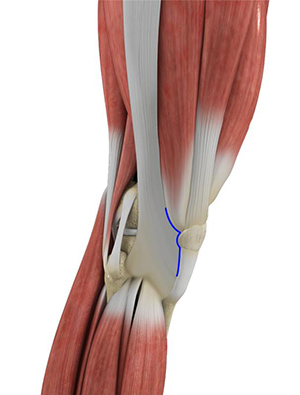
The muscle sparing subvastus approach to knee replacement is an advanced surgical technique used to replace a damaged knee joint while preserving the quadriceps muscle. Instead of cutting through the muscle, Dr. Claps works beneath the vastus medialis, gaining access to the knee joint with minimal disruption to surrounding tissues. This approach is considered a refined form of minimally invasive knee replacement and is often combined with robotic-assisted technology to enhance precision, improve implant alignment, and personalize the procedure for each patient.
What are the Benefits of Muscle Sparing Subvastus Approach to Knee Replacement?
Patients undergoing this advanced technique may experience several important advantages due to reduced muscle trauma and improved surgical precision.
- Less postoperative pain due to muscle preservation
- Faster recovery and rehabilitation
- Earlier return to walking and daily activities
- Improved quadriceps strength and knee stability
- Smaller incision and reduced soft tissue damage
- Shorter hospital stay in many cases
- More natural knee movement and function
- Enhanced accuracy and alignment when combined with robotic assistance
When is Muscle Sparing Subvastus Approach to Knee Replacement Recommended?
This technique is typically recommended for patients who are good candidates for minimally invasive knee replacement and are looking for a faster, more functional recovery.
- Moderate to severe knee arthritis causing pain and stiffness
- Difficulty walking, climbing stairs, or performing daily activities
- Failure of non-surgical treatments such as medications or physical therapy
- Patients seeking a muscle-preserving surgical option
- Individuals in good overall health with suitable knee anatomy
- Active patients who want to return to normal activities sooner
What does preparation for Muscle Sparing Subvastus Approach to Knee Replacement involve?
Preparation begins with a thorough evaluation to ensure the best possible outcomes. Dr. Claps will review your medical history, perform a physical examination, and order imaging studies such as X-rays or scans. Preoperative planning for robotic-assisted surgery may include creating a 3D model of your knee to guide precise implant placement.
Patients may also be advised to:
- Begin strengthening exercises before surgery
- Stop certain medications as directed
- Arrange for post-surgical support at home
- Follow fasting and preoperative instructions
How is Muscle Sparing Subvastus Approach to Knee Replacement performed?
During the procedure, a medial parapatellar incision is made, extending distally without transecting muscle fibers. The vastus medialis is gently mobilized to expose the joint capsule. The damaged cartilage and bone are then removed and replaced with a prosthetic implant. When robotic-assisted technology is used, it helps guide bone preparation and implant positioning with a high degree of accuracy. Before closing the incision, Dr. Claps ensures proper alignment, stability, and smooth movement of the knee joint.
What to Expect during Recovery after Muscle Sparing Subvastus Approach to Knee Replacement?
Recovery is often faster compared to traditional techniques because the quadriceps muscle remains intact.
Most patients can expect:
- Early mobilization, often walking within hours or the same day
- Less pain and swelling after surgery
- Faster return of muscle strength
- Reduced need for assistive devices
- Gradual return to normal activities within a few weeks
A structured physical therapy program plays a key role in restoring mobility, strength, and function.
What are the Risks and Complications of Muscle Sparing Subvastus Approach to Knee Replacement?
While this approach is safe and effective, as with any surgical procedure, there are potential risks. Dr. Claps will discuss these with you in detail before surgery.
- Infection
- Blood clots
- Implant loosening or wear over time
- Nerve or blood vessel injury
- Knee stiffness or limited range of motion
- Persistent pain or swelling
- Rare complications related to anesthesia
Careful surgical technique, proper patient selection, and adherence to postoperative instructions help minimize these risks.